
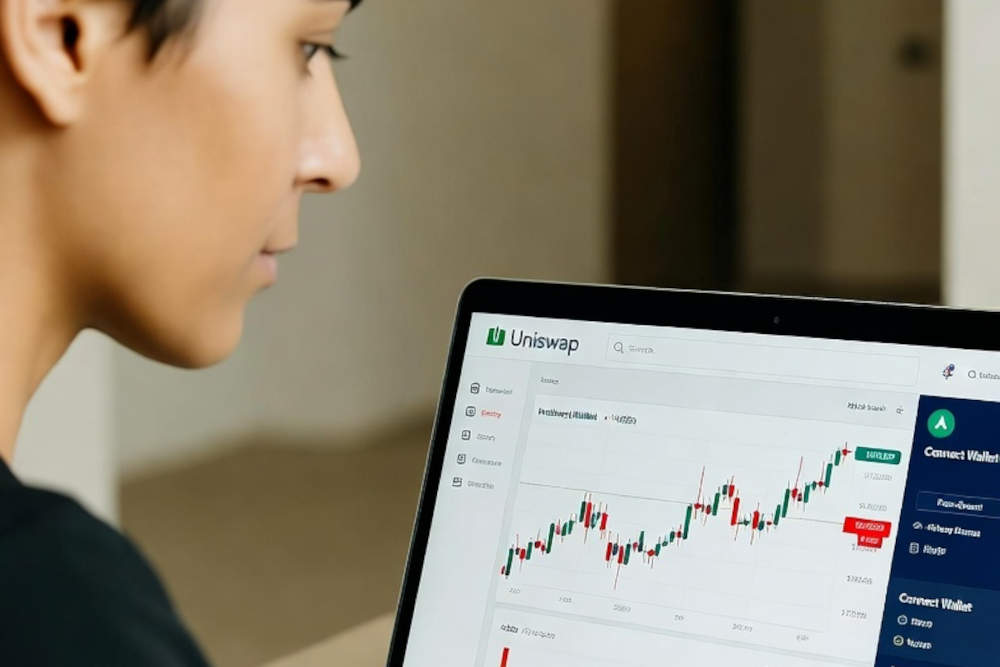
Den richtigen Zeitpunkt für den Einstieg in den Kryptomarkt zu finden, kann schwierig sein, denn obwohl historische Trends zeigen, dass Oktober und November oft gut performen (manchmal auch als „Krypto-Saison“ bezeichnet), sind Gewinne nicht jedes Jahr garantiert . Hier ist eine Übersicht, die Ihnen helfen soll, klarer zu denken:
1. Historische Trends bedeuten keine Gewissheit
-
Bei Kryptowährungen zeigte sich im vierten Quartal tendenziell ein Aufschwung, aber in manchen Jahren stagnierten die Kurse oder sanken sogar.
-
Die Geschichte als Orientierungshilfe zu nutzen ist hilfreich, aber keine Kristallkugel.
2. Jetzt kaufen vs. warten
-
Jetzt kaufen:
-
Vielleicht erhaschen Sie einen Blick auf einen Teil der saisonalen Rallye.
-
Die Preise könnten aber noch fallen (vor allem im Falle einer Marktbereinigung).
-
-
Auf einen Einbruch warten:
-
Könnte Ihnen einen besseren Einstiegspreis bieten.
-
Sie riskieren jedoch, die Rallye zu verpassen, wenn die Preise schnell steigen.
-
3. Dollar-Cost-Averaging (DCA)
-
Statt zu versuchen, den genauen Tiefpunkt zu erwischen, sollten Sie erwägen, über einen längeren Zeitraum kleinere Mengen zu kaufen .
-
Dadurch streuen Sie Ihr Risiko und vermeiden den Stress, den perfekten Zeitpunkt erzwingen zu müssen.
4. Marktbedingungen prüfen
-
Prüfen Sie vor dem Einstieg die aktuellen Trends, das Volumen und die Unterstützungsniveaus .
-
Vermeiden Sie Käufe während durch Hype verursachter Preisspitzen, die oft einem Einbruch vorausgehen.
5. Risikomanagement
-
Investiere nur, was du auch langfristig halten kannst .
-
Übertreiben Sie es nicht mit der Fremdkapitalaufnahme – auch die Kursanstiege im Oktober und November können von scharfen Korrekturen begleitet sein.
✅ Fazit: Es ist noch nicht zu spät , aber erwarten Sie keine Garantien. Eine kluge Strategie ist schrittweises Kaufen mit sorgfältiger Positionsgröße , das Beobachten von Kursrückgängen und die Bereitschaft, mit Kursschwankungen umzugehen.
Hier ist ein einfacher, praktischer Einstiegsplan für den Kauf von Kryptowährungen im Oktober/November, der Sie gleichzeitig vor Kursausfällen schützt:
Schritt 1: Legen Sie Ihr Gesamtinvestitionsvolumen fest.
-
Überlegen Sie sich, wie viel Sie für die Saison investieren möchten.
-
Setzen Sie nur Geld ein, das Sie sich langfristig leisten können zu halten.
Schritt 2: Dollar-Cost-Averaging (DCA) anwenden
-
Teilen Sie Ihre Gesamtinvestition in 4–6 kleinere Einkäufe über die nächsten 6–8 Wochen auf.
-
Beispiel: Wenn Sie planen, 1.200 Dollar zu investieren, kaufen Sie lieber wöchentlich 200 Dollar anstatt alles auf einmal.
Schritt 3: Wichtige Unterstützungsniveaus beobachten
-
Identifizieren Sie die jüngsten Unterstützungszonen im Chart.
-
Um das Risiko von Kursausfällen zu reduzieren, sollten Sie Ihre Käufe möglichst nahe oder leicht über diesen Niveaus tätigen.
Schritt 4: Vermeiden Sie Käufe während Hype-Spitzen.
-
Sollte der Preis aufgrund von Nachrichten oder Hype plötzlich stark ansteigen, warten Sie auf eine Kurskorrektur .
-
Nach einem Hype-Höhepunkt folgen oft Marktkorrekturen, die Panikverkäufe auslösen können.
Schritt 5: Grundlegende Risikomanagementregeln festlegen
-
Übertreiben Sie es nicht mit der Fremdkapitalaufnahme; halten Sie die Fremdkapitalquote minimal (1x–3x) oder vermeiden Sie sie ganz.
-
Legen Sie Ihren maximal akzeptablen Verlust pro Trade fest (z. B. 2–5 % Ihres Gesamtportfolios).
Schritt 6: Volumen und Dochte der Kerzenleuchter überwachen
-
Achten Sie auf plötzliche Volumenspitzen und lange Dochte , die auf einen Shakeout hindeuten könnten.
-
Kaufen Sie in diesen volatilen Phasen nur, wenn Sie von Ihrem Plan überzeugt sind.
Schritt 7: Den Trend abwarten
-
Ziel ist es, den historischen Trend des vierten Quartals mitzunehmen, nicht jeden Kursanstieg für Daytrading zu nutzen.
-
Geduld ist der Schlüssel – Markterschütterungen wird es geben, aber sie dauern in der Regel nicht lange.
✅ Wichtigste Erkenntnis:
-
Kaufen Sie schrittweise, nahe der Unterstützung, vermeiden Sie Hype und managen Sie das Risiko.
-
Auf diese Weise sind Sie in der Lage, vom Oktober-November-Trend zu profitieren und gleichzeitig das Risiko eines Markteinbruchs zu verringern.
War dieser Artikel hilfreich für Sie? Bitte teilen Sie uns in den Kommentaren unten mit, was Ihnen gefallen oder nicht gefallen hat.
Haftungsausschluss: Die oben genannten Inhalte dienen ausschließlich zu Informations- und Bildungszwecken und stellen keine Finanz- oder Anlageberatung dar. Recherchieren Sie stets selbst und ziehen Sie die Beratung durch einen zugelassenen Finanzberater oder Buchhalter in Betracht, bevor Sie finanzielle Entscheidungen treffen. Panaprium übernimmt keine Garantie, Bürgschaft oder Billigung der oben genannten Inhalte und ist in keiner Weise dafür verantwortlich. Alle hier geäußerten Meinungen basieren auf persönlichen Erfahrungen und sollten nicht als Billigung oder Garantie bestimmter Ergebnisse angesehen werden. Investitions- und Finanzentscheidungen bergen Risiken, über die Sie sich im Klaren sein sollten, bevor Sie entscheiden.
About the Author: Alex Assoune


Alex Assoune (MS) is a global health and environmental advocate. He founded Panaprium to inspire others with conscious living, ethical, and sustainable fashion. Alex has worked in many countries to address social and environmental issues. He speaks three languages and holds two Master of Science degrees in Engineering from SIGMA and IFPEN schools.
Wogegen Wir Kämpfen
Weltweit-Konzerne produzieren in den ärmsten Ländern im Übermaß billige Produkte.
Fabriken mit Sweatshop-ähnlichen Bedingungen, die die Arbeiter unterbezahlt.
Medienkonglomerate, die unethische, nicht nachhaltige Produkte bewerben.
Schlechte Akteure fördern durch unbewusstes Verhalten den übermäßigen Konsum.
- - - -
Zum Glück haben wir unsere Unterstützer, darunter auch Sie.
Panaprium wird von Lesern wie Ihnen finanziert, die sich unserer Mission anschließen möchten, die Welt völlig umweltfreundlich zu gestalten.
Wenn Sie können, unterstützen Sie uns bitte monatlich. Die Einrichtung dauert weniger als eine Minute und Sie werden jeden Monat einen großen Beitrag leisten. Danke schön.


RELATED ARTICLES


Tags


How Much of Your Income Should You Invest in Stocks?
The question "how much should I invest in stocks" rarely has a single right answer, but it has a wrong one: guessing. Most people either invest too little because they... Mehr lesen


ETFs vs Individual Stocks: Which Fits Your Goals?
Choosing between ETFs and individual stocks is not really a debate about which is "better." It is a decision about how much research time you want to spend, how much... Mehr lesen


Building a $100,000 Portfolio: A Step-by-Step Framework
Building a $100,000 crypto portfolio is a different exercise than managing $5,000. At this size, a single bad approval, a single unaudited vault, or a single overcrowded lending pool can... Mehr lesen


How to Invest $100,000 in the Stock Market Right Now
Deciding what to do with $100,000 in the stock market right now is harder than it sounds, because "right now" is not a neutral moment. The S&P 500 sits near... Mehr lesen


Perp DEX Aggregators: How They Find You Better Execution
Perpetual DEX volume crossed $600 billion a month in early 2026, but that volume is scattered across more than 130 venues on a dozen chains. If you manually check Hyperliquid,... Mehr lesen


Best DeFi Credit Delegation Platforms for Passive Lenders
Credit delegation platforms let you lend stablecoins to borrowers who don't post full collateral, in exchange for yield that beats most overcollateralized lending markets. That extra yield comes from real... Mehr lesen


Restaking Operator Selection: How to Vet Node Operators
Choosing a restaking operator used to be a formality. You picked whoever had the biggest name or the highest points multiplier, because slashing was mostly theoretical. That changed in April... Mehr lesen


Best DeFi Yield Strategies to Prepare for the Next Bear Market
A bear market does not ask permission before it arrives. Token prices fall, yields that looked attractive in a bull run turn out to be funded by inflated emissions, and... Mehr lesen


Best DeFi Strategies for Absolute Beginners Under $1,000
Putting your first $1,000 into DeFi is not the same problem as putting in $10,000 or $100,000. Gas fees eat a bigger share of your capital; one mistake can wipe... Mehr lesen


Best Cross-Chain Yield Aggregators for Multi-Chain Capital
Moving capital across chains to chase the best yield used to mean bridging manually, tracking APYs on five different dashboards, and paying gas on every chain you touched. Cross-chain yield... Mehr lesen


Dezentrale Identität in DeFi: Worldcoin vs. Gitcoin Passport
Sybil-Angriffe erschöpfen Airdrops, verfälschen Abstimmungsergebnisse und ermöglichen es Bad Actors, Belohnungen abzugreifen, die eigentlich für echte Nutzer gedacht sind. Zwei Projekte entwickelten konkurrierende Lösungen für dieses Problem: Worldcoin, das Ihre... Mehr lesen


Vergleich von DeFi Options Vaults: Ribbon vs. Stryke vs. Theta
Wenn Sie nach "Ribbon vs Stryke vs Theta" gesucht haben, versuchen Sie, DeFi Options Vaults (DOVs) zu vergleichen, die automatisierten Strategien, die Covered Calls oder Cash-Secured Puts auf Ihr eingezahltes... Mehr lesen


DeFi-Kreditzinssatzkurven: Wie die Auslastung Ihren APY bestimmt
Die Lending-Raten in DeFi sind ständig in Bewegung, und der Grund dafür liegt in einer einzigen Zahl: der Auslastung (Utilization). Die Auslastung ist der Anteil eines Lending-Pools, den Kreditnehmer in... Mehr lesen


Die besten DeFi-Strategien für kurzfristiges Kapital unter 30 Tagen
Kurzfristiges DeFi-Kapital unterliegt anderen Regeln als langfristige Positionen. Wenn Geld in 30 Tagen oder weniger wieder bewegt werden muss, verschiebt sich die Priorität von der Maximierung des APY zur Minimierung... Mehr lesen


Software-Wallets im Vergleich: Rabby vs. MetaMask vs. Phantom
Die Wahl zwischen Rabby, MetaMask und Phantom hängt in der Regel von einer praktischen Frage ab: Welche Chains nutzen Sie tatsächlich und wie viel Schutz wünschen Sie sich, bevor Sie... Mehr lesen
0 Kommentare